


Did you know? Studies indicate that certain raw foods can contain up to 50% more key vitamins than their cooked equivalents. If you're wondering what is the healthiest raw food, you're not alone. Many are curious about how raw foods can supercharge their food diet, offer rich nutrition, and even support weight loss. This comprehensive guide will help you navigate the fascinating world of raw foods, dispel myths, and provide practical steps to start a healthier eating journey.
Opening Insights: Why Ask ‘What is the Healthiest Raw Food?’
Startling Fact: Studies indicate that certain raw foods can contain up to 50% more key vitamins than their cooked equivalents.
Understanding the Importance of Raw Foods in a Food Diet
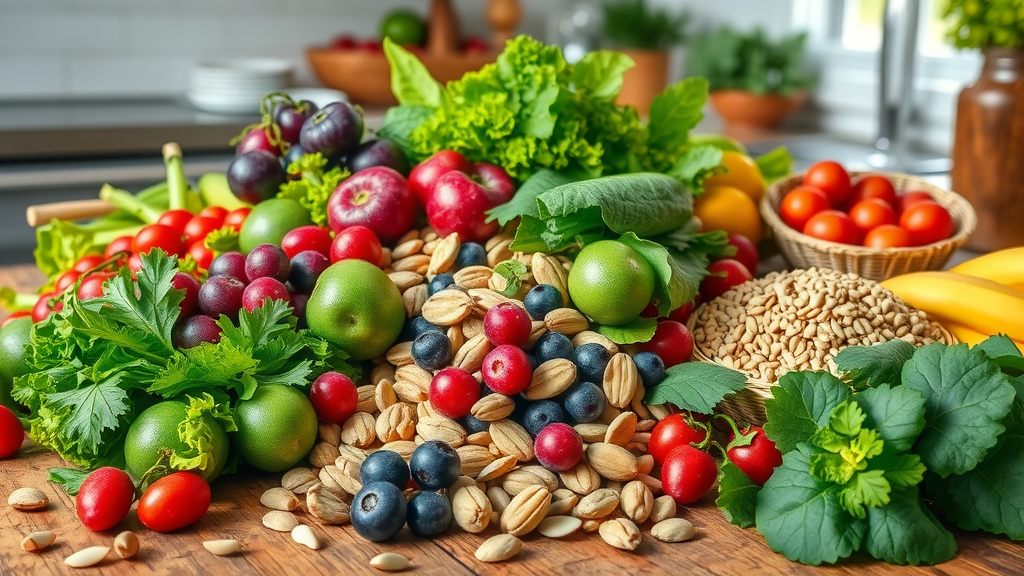
The growing conversation around raw food diets isn't just a passing trend—it's grounded in the idea that raw foods maintain a greater portion of their natural nutrients, living enzymes, and vital antioxidants. Unlike cooked food, which can lose vitamins such as vitamin C and certain B vitamins during the cooking process, raw foods ensure you get the maximum health benefit from every bite. As processed foods become more widespread, including a variety of fruits and vegetables in their raw state is increasingly recommended to support a strong immune system and lower our risk of food-related issues. Moreover, eating raw foods provides essential fiber, water, and micronutrients that are often diminished in processed food—contributing to overall wellbeing.
Incorporating raw foods into your daily food diet can have a dramatic impact on your physical health, energy levels, and sense of vitality. Nutrition experts emphasize that a diet rich in raw produce, especially raw fruits and greens, is low in calories, nutrient-dense, and highly satiating. For many, the challenge is not only to identify the healthiest options but also to learn the most effective ways to add them to their regular eating routine. This article is designed to guide you through those essential steps so you can make confident, informed choices aligned with your health goals.
How Raw Food Diets Are Gaining Popularity Worldwide
The shift toward raw food diets is visible across the globe, with wellness communities in North America, Europe, and Asia all embracing the benefits of eating food in its most natural state. Social media channels are awash with meal prep inspiration featuring vibrant salads, green smoothies, and energy-boosting snacks based on raw vegan or raw diet philosophies. Health influencers and nutritionists regularly share testimonials on how switching to a raw food diet helped improve digestion, increase clarity, and offer a natural way to lose weight.
As the popularity of raw vegan and balanced food diets grows, so does the body of scientific research supporting these claims. More people than ever are seeking alternatives to heavily processed foods, looking instead at plant-based, raw options as not just a diet, but a sustainable lifestyle choice. By minimizing your intake of cooked food and processed food while amplifying your consumption of nuts, seeds, leafy greens, berries, and sprouts, you position yourself at the cutting edge of the health movement.
What You’ll Learn: Navigating the World of Raw Foods
The definition and science behind raw foods diet
Benefits and myths of eating raw foods
Which raw foods are considered the healthiest
How to incorporate these foods into your daily routine
Raw Food Diet 101: What is the Healthiest Raw Food?
Defining Raw Foods and the Raw Food Diet
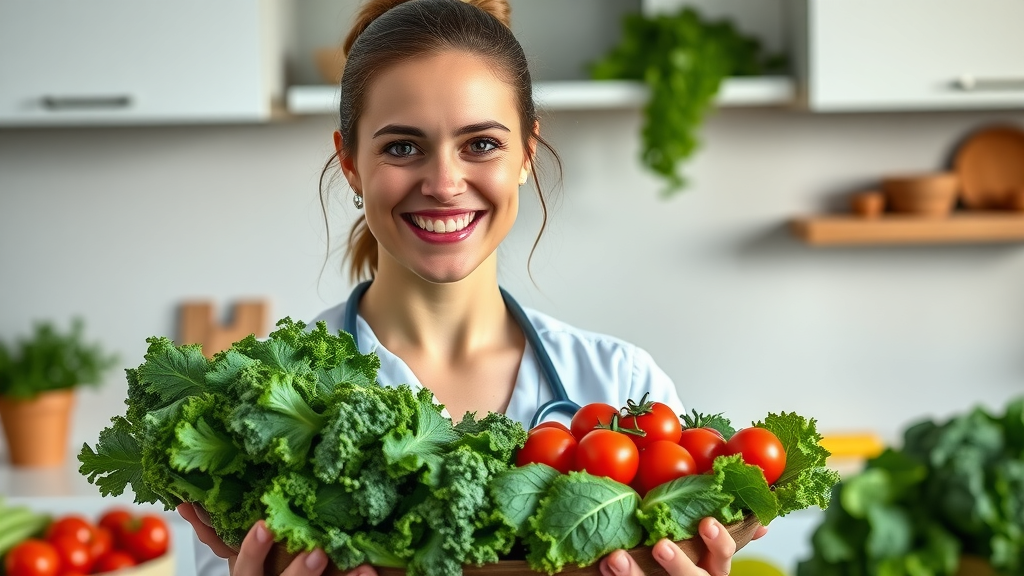
At its core, a raw food diet consists of eating foods that have not been heated above 118°F (48°C). This preserves natural enzymes, nutrients, and water content often lost in regular cooking. Most raw diets emphasize plant-based foods, such as fresh fruits, leafy greens, sprouts, nuts, and seeds, but variations may occasionally include raw animal products, like certain types of raw eggs, cheese, or sashimi, though these require careful handling due to the increased risk of food poisoning.
Followers of the raw food diet believe that eating raw boosts digestion, increases energy, and provides optimal nutrition—claims that are increasingly being studied and validated by nutrition science. While some people opt for a 100% raw vegan approach, others adopt a more balanced pattern, combining raw foods with minimally cooked items to achieve a rounded eating plan. The emphasis remains on consuming whole, unprocessed foods that deliver superior health benefits.
Exploring Raw Vegan Choices Within the Raw Food Diet
The raw vegan subset excludes all animal products and focuses exclusively on uncooked plant foods. Within this framework, the most nutrient-dense options are often raw fruits, leafy greens like kale and spinach, nuts, seeds, sprouts, and certain superfoods such as sea vegetables. A well-planned raw vegan diet can supply all essential vitamins and minerals, fiber, and even adequate protein through the careful use of sprouted grains, seeds, and nuts.
Adopting a raw vegan diet requires attention to variety and balance to avoid potential deficiencies, particularly in vitamin B12, iron, calcium, and omega-3s. As more evidence emerges, experts agree that a strategic raw vegan eating plan helps reduce chronic inflammation, supports healthy weight loss, and contributes to vibrant energy—key motivators for those seeking the healthiest raw food for their daily routines.
Raw Food vs. Cooked Food: Key Nutritional Differences
One of the biggest debates in nutrition circles centers on raw food versus cooked food. While cooking can reduce some nutrient content, it can also make certain nutrients in foods like tomatoes (lycopene) and carrots (beta-carotene) more bioavailable. However, raw foods typically retain higher levels of vitamin C, folate, and natural enzymes that help in digestion and gut health.
For many, the best approach is to blend both raw and cooked foods to maximize nutrition and enjoyment. Eating raw at least once per meal can offer a spectrum of vitamins, minerals, and antioxidants essential for wellness. Whether you’re integrating more raw produce for weight loss or to enhance immunity, understanding the nutritional differences helps you make the most of your food diet.
Top Healthiest Raw Food Choices for Your Food Diet
Leafy greens (e.g., kale, spinach)
Cruciferous vegetables (e.g., broccoli, cabbage)
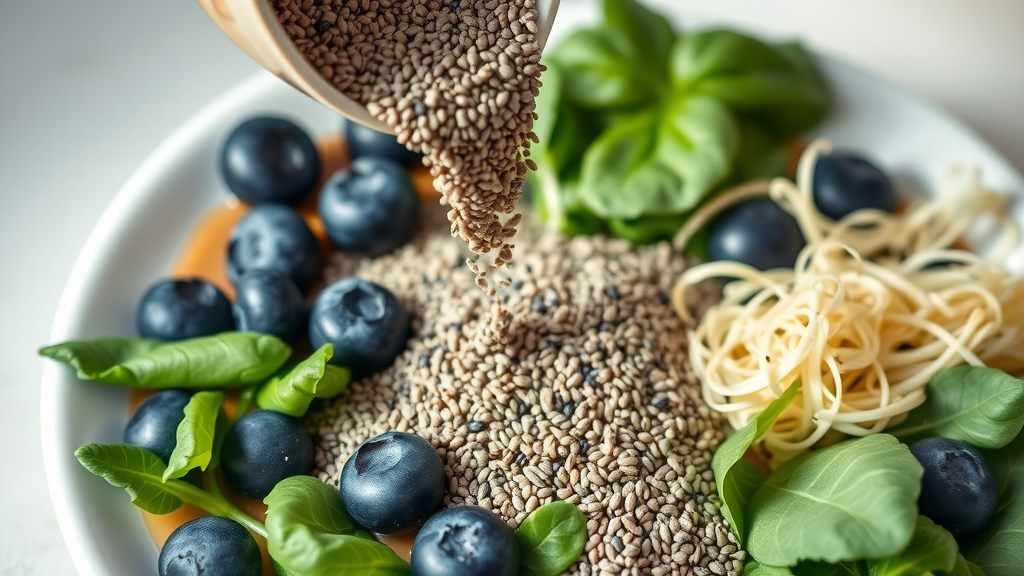
Berries (e.g., blueberries, strawberries)
Nuts and seeds (e.g., almonds, chia seeds)
Sprouts (e.g., alfalfa, mung bean)
Sea vegetables (e.g., nori, dulse)
Raw fruits with high nutrient density (e.g., avocados, citrus)
Nutritional Profiles of Top Healthiest Raw Foods |
|||
Raw Food |
Vitamins & Minerals |
Calories/100g |
Key Antioxidants |
|---|---|---|---|
Kale |
Vitamin K, A, C, Calcium |
49 |
Lutein, Zeaxanthin |
Blueberries |
Vitamin C, K, Manganese |
57 |
Anthocyanins |
Chia Seeds |
Omega-3, Calcium, Iron |
486 |
Polyphenols |
Spinach |
Vitamin A, C, Magnesium |
23 |
Beta-carotene |
Avocado |
Vitamin E, C, Potassium |
160 |
Carotenoids |
How a Raw Food Diet Promotes Weight Loss and Wellbeing
Raw Food Diet and Weight Loss: Evidence from Recent Studies
Recent scientific studies have consistently found that people who switch to a raw food diet tend to experience easier weight loss and improved metabolic markers. This is because raw foods are naturally low in calories and high in fiber, which not only supports digestion but also helps you feel full for longer. Swapping processed foods for raw alternatives dramatically reduces calorie intake and increases the range of natural micronutrients you receive daily. Over time, this combination can promote steady and lasting weight loss.
Health professionals point to raw vegan eating plans as some of the most effective for those seeking to lose weight while nourishing their bodies. However, it’s essential to remember that an abrupt transition may come with temporary adjustments, such as digestion changes. A gradual approach, including a mix of raw and cooked food at first, can help you maintain balance and avoid nutrient loss, ensuring optimal health benefit from your food diet.
"The fiber and water content in many raw foods can help create a lasting feeling of fullness while supporting weight management." – Nutrition Expert
Role of Raw Foods in Reducing Processed Food Consumption
One of the greatest advantages of adopting a raw food eating plan is the significant reduction in processed foods. Many processed foods contain preservatives, added sugars, unhealthy fats, and artificial flavors that can undermine long-term health. By filling your plate with raw fruits, vegetables, nuts, and seeds, you crowd out less wholesome choices and help your body detox naturally.
Furthermore, eating more raw food can reset your palate, reducing cravings for salty, sugary, or fatty foods. It also encourages you to select higher-quality, organic, and locally sourced raw produce, supporting not only personal wellness but also more eco-friendly food choices. Over time, people who incorporate more raw foods find they rely less on packaged snacks or pre-made meals, aligning with a more mindful and healthful approach to the modern food diet.
Addressing the Risks: Toxic Raw Foods & Common Myths
Which Raw Foods Should Never Be Eaten Raw?
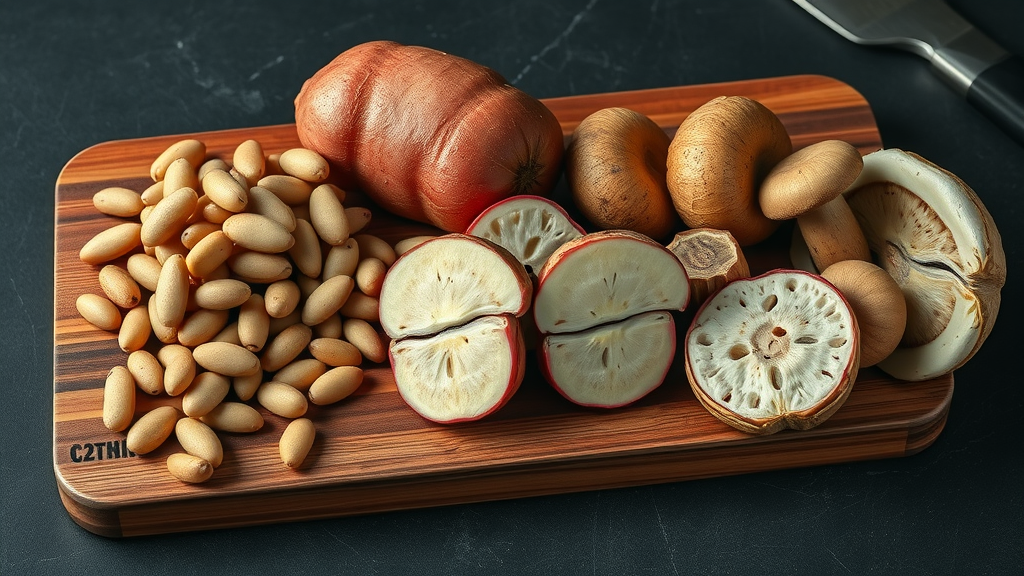
Potatoes
Kidney beans
Certain mushrooms
Cassava
While many raw foods offer powerful health benefits, some foods should never be eaten raw due to dangerous toxins. Raw potatoes contain solanine, a compound that can cause nausea and neurological effects; raw kidney beans have lectins that can result in severe gastrointestinal issues; certain wild mushrooms can be deadly unless cooked; and cassava requires proper soaking and preparation to remove cyanogenic compounds. It's crucial to research unfamiliar foods and always prepare suspicious raw foods according to safe methods.
Ignoring these guidelines increases the risk of food poisoning and related health issues, undermining the positive impact of a healthy raw food diet. Always opt for well-documented safe raw food options unless you are thoroughly educated on the safe preparation techniques for less common foods.
Raw Food: Debunking the Raw Vegan and Raw Diet Myths
Despite the popularity of the raw vegan diet, several myths persist. Some believe all nutrients are lost through cooking, while others assume raw food diets guarantee weight loss for everyone. In reality, while many vitamins and enzymes are retained in raw foods, select nutrients are actually improved with some cooking methods. Variety and moderation remain crucial—an all-raw diet is not inherently superior to a well-planned mix of raw and cooked food.
Another common misconception is that the raw vegan diet is universally suitable. Certain populations, such as pregnant women, young children, or those with specific health conditions, might need additional caution or supplementation. Ultimately, focusing on balance, food safety, and variety empowers you to enjoy the freshest flavors and best nutrition in a way that fits your lifestyle.
Incorporating Raw Foods into Diverse Food Diets
Combining Raw Vegan, Vegan Diet, and Traditional Diets
You don’t have to be exclusively raw vegan to benefit from raw foods. Many successful food diets, such as the Mediterranean diet or plant-forward eating plans, emphasize a combination of raw and cooked foods. Adding fresh salads, smoothies, and raw fruit bowls to your regular vegan diet or omnivorous meals increases both the vitamin and antioxidant content of your daily intake.
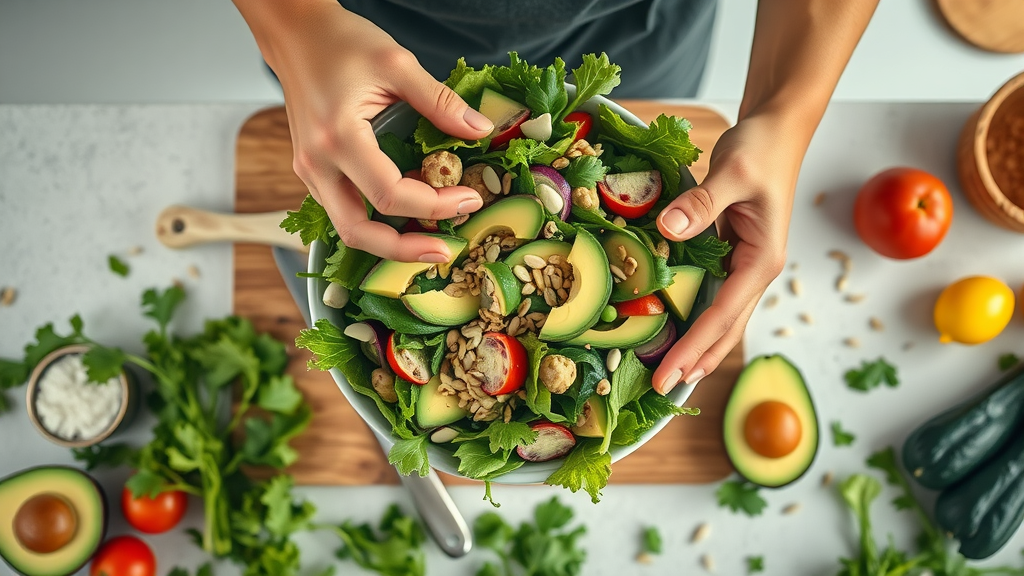
Integrating more of the healthiest raw food options into a traditional diet is simple. Begin by filling half your plate with raw produce, choosing leafy greens, vibrant berries, or raw nuts and seeds as snacks, or topping your meals with sprouts and microgreens. This gentle approach enhances flavor, texture, and nutritional value without radical dietary change, making long-term success more sustainable.
Making the Transition: Follow the Raw Food Diet Safely
It’s tempting to switch instantly to a raw food diet, but gradual integration is usually more sustainable. Start by adding one raw meal per day or replacing a processed snack with a raw alternative. Make sure to emphasize food hygiene and variety so you’re not just eating raw fruit, but including nuts, seeds, and a spectrum of vegetables for complete nutrition.
For those with specific health needs or chronic conditions, consulting a qualified nutritionist or dietitian before a significant change is always wise. They can help tailor your eating plan to meet energy requirements, balance macronutrients, and supplement where necessary. If you follow the raw food diet safely, focusing on variety and quality, the transition will be smoother and more beneficial in the long run.

Key Takeaways: What is the Healthiest Raw Food?
Prioritize variety to gain full nutritional benefit
Most nutrient-rich options include leafy greens, berries, and sprouts
Avoid potentially toxic foods unless properly prepared
A balanced approach is essential for long-term health
People Also Ask: Common Questions on Raw Foods
What is the healthiest raw food to eat?
Answer: Leafy greens such as spinach and kale, along with berries and sprouts, are frequently recognized as the healthiest raw foods due to their high vitamin, mineral, and antioxidant content.
What is the #1 healthiest food in the world?
Answer: While opinions differ, many nutritionists consider leafy greens, particularly kale, as contenders for the #1 healthiest food in the world, especially when consumed raw.
Can raw food be healthy?
Answer: Yes, raw foods can be exceptionally healthy when chosen and prepared properly. They provide maximum nutrient retention and little to no processed ingredients.
Which raw food is toxic without cooking?
Answer: Certain raw foods such as kidney beans, cassava, and some mushrooms are toxic unless cooked, so it's important to research before eating unfamiliar raw foods.
Frequently Asked Questions about the Healthiest Raw Food
How does the raw food diet compare to other food diets?
Is a raw vegan diet suitable for everyone?
What are easy ways to get started with raw foods for beginners?
How can I balance raw foods and cooked food for optimal health?
Conclusion: Embrace a Wholesome Food Diet with the Healthiest Raw Food Choices
"Incorporating a broad spectrum of raw foods into your food diet can be transformative for your long-term health and vitality."


Write A Comment